Platform comparison
| Platform | YES odds | NO odds | Fee | KYC | Settlement | |
|---|---|---|---|---|---|---|
Polymarket (via Kalshi Alternative UK) Pick polygram.ink (preferred broker) |
82% | 18% | 0% (USDC on-chain) | No-KYC up to $1,500 | USDC, auto via UMA oracle | Trade this market → |
Polymarket (direct) polymarket.com |
82% | 18% | 0% | Geo-blocked in US/UK/EU | USDC, on-chain | Trade this market → |
Kalshi kalshi.com |
— | — | Up to 7% per trade | US-only, KYC required | USD | Trade this market → |
Betfair Exchange betfair.com |
— | — | 2-5% commission | Full KYC from first trade | GBP / EUR | Trade this market → |
Manifold Markets manifold.markets |
— | — | Play-money (mana) | None — play-money | Mana (no cash-out) | Trade this market → |
Outcome probabilities
Current market-implied probability for each outcome, from the live order book.
| Outcome | Probability |
|---|---|
| <150 | 82% |
| 150-174 | 18% |
| 175-199 | 2% |
| 200-224 | 1% |
| 225+ | 1% |
Market context
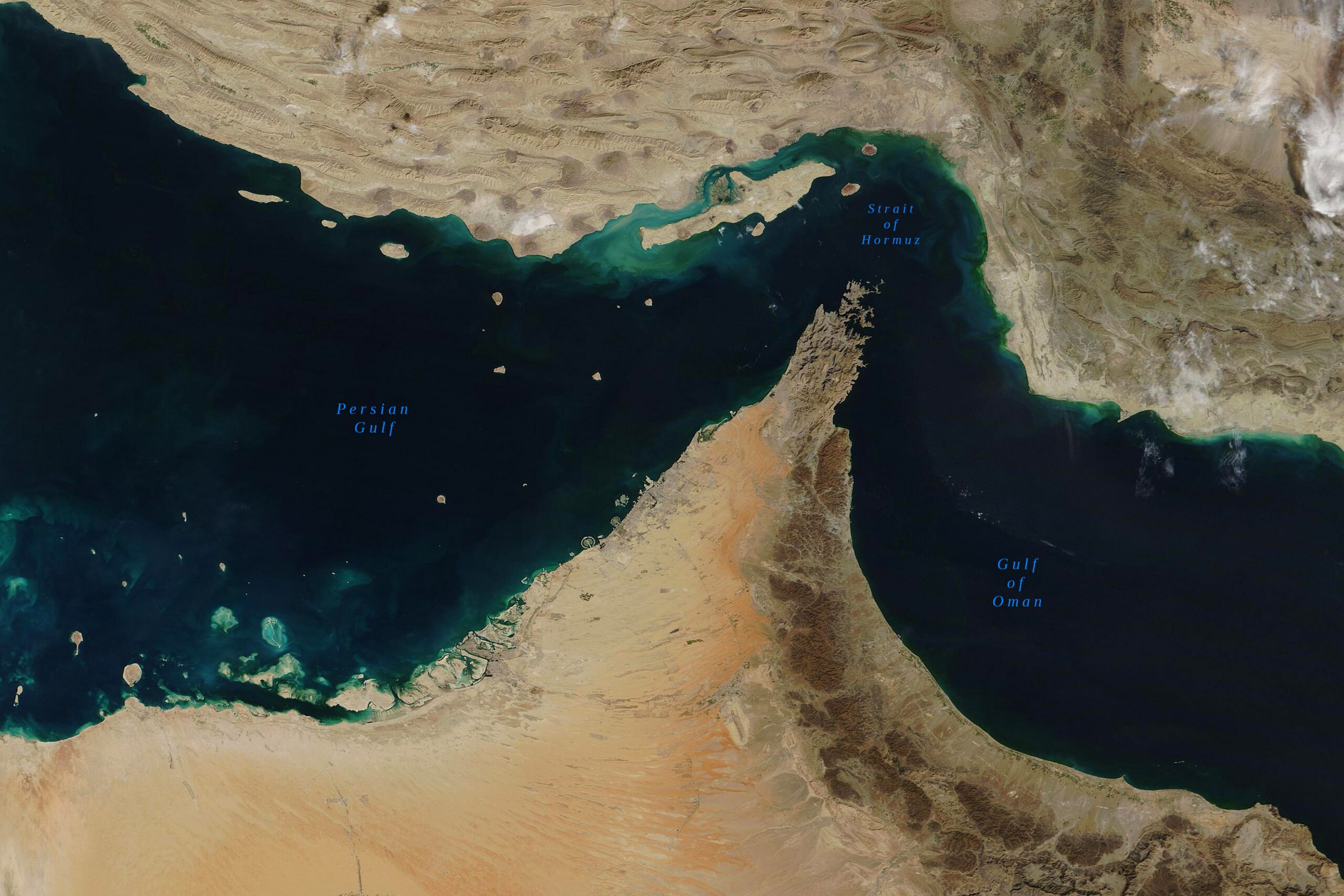
The market tracks the total number of commercial vessels, including tankers and cargo ships, passing through the Strait of Hormuz between 6 and 12 July 2026, as recorded by IMF Portwatch. This choke point handles roughly 20% of global oil consumption, making transit counts a direct proxy for regional stability and supply flow. The current 84% implied probability suggests traders expect a volume between 175 and 199 ships, reflecting a post-deal recovery rather than a blockade scenario.
Historical data from June 2026 shows traffic resuming after the US–Iran interim agreement, with MarineTraffic confirming vessels sailing by mid-month [4][5]. However, recovery remains cautious; early June saw zero outbound commercial vessels at one point, highlighting volatility [2]. Compared to pre-deal months where traffic shrank significantly, the current probability aligns with a stabilising but not fully normalised flow, diverging from Kalshi’s binary focus on specific thresholds by offering a range-based outcome on Polymarket.
Traders should monitor the finalisation of daily IMF Portwatch data points, as settlement occurs once the 12 July figure is confirmed [1]. Key catalysts include any sudden announcements from Iranian authorities regarding maritime restrictions or new US diplomatic moves, which could halt traffic as seen in past tensions [6]. While Polymarket uses decimal odds and minimal KYC, platforms like Betfair and Smarkets often charge higher fees and require stricter identity verification, affecting liquidity on niche oil markets. Recent reporting confirms shipping traffic continued recovering over the weekend of 6 July, easing oil prices [5].
Methodology
We read How many ships transit the Strait of Hormuz week of July 6? from four platform perspectives: Polymarket (on-chain CLOB), Kalshi (CFTC-regulated exchange), Betfair Exchange (sports book exchange), Smarkets (peer-to-peer betting exchange). Polymarket's live mid is the canonical probability; the side-by-side columns benchmark fees, KYC, settlement currency and deposit rails so you can choose the venue that fits your jurisdiction and trade size.
Resolution & payout
Settlement is the biggest difference between the four platforms: Polymarket on-chain in USDC (instant), Kalshi USD via CFTC (T+1), Betfair and Smarkets in local currency via bank withdrawal (T+1 to T+3). On-chain settlement clears in minutes — the fastest payout path of the four.
FAQ
- Polymarket vs Kalshi — which is better?
- Depends on your location. Kalshi is CFTC-regulated, US-only with full KYC. Polymarket is global, on-chain, no KYC up to $1,500. Polymarket has ~10x higher liquidity but higher regulatory risk.
- What does Polymarket cost vs Kalshi?
- Polymarket: 0% fees, only Polygon network costs (~$0.01/trade). Kalshi: up to 7% per trade plus spread. For high-frequency traders, Polymarket is dramatically cheaper.
- What about Smarkets as an alternative?
- Smarkets is a UK betting exchange with a lower default commission (2%) than Betfair. Liquidity on political markets is below Polymarket, comparable to Kalshi. Geo-blocked in many jurisdictions.
- Are all these platforms regulated?
- No. Kalshi is CFTC-regulated (US). Betfair and Smarkets are UK Gambling Commission licensed. Polymarket operates without explicit regulation — a different risk profile than a regulated sportsbook.
- Which platform supports Klarna/SOFORT?
- Directly: none. Polymarket accepts only USDC on Polygon. Kalshi Alternative UK offers a fiat on-ramp via Klarna or SOFORT (DE/AT/CH) and converts internally to USDC for the Polymarket order book. T+1 processing.
%22%2F%3E%3Cpath%20d%3D%22M%206%2066%20A%2026%2026%200%200%201%2058%2066%22%20fill%3D%22%23E6B98D%22%20opacity%3D%220.9%22%2F%3E%3Ccircle%20cx%3D%2232%22%20cy%3D%2226%22%20r%3D%2222%22%20fill%3D%22%23F5CBA7%22%2F%3E%3Cpolygon%20points%3D%2216%2C18%2020%2C4%2024%2C18%22%20fill%3D%22%2314b8a6%22%2F%3E%3Cpolygon%20points%3D%2224%2C18%2028%2C3%2032%2C18%22%20fill%3D%22%2314b8a6%22%2F%3E%3Cpolygon%20points%3D%2232%2C18%2036%2C3%2040%2C18%22%20fill%3D%22%2314b8a6%22%2F%3E%3Cpolygon%20points%3D%2240%2C18%2044%2C4%2048%2C18%22%20fill%3D%22%2314b8a6%22%2F%3E%3C%2Fsvg%3E) and
and%22%2F%3E%3Cpath%20d%3D%22M%206%2066%20A%2026%2026%200%200%201%2058%2066%22%20fill%3D%22%23E6B98D%22%20opacity%3D%220.9%22%2F%3E%3Ccircle%20cx%3D%2232%22%20cy%3D%2226%22%20r%3D%2222%22%20fill%3D%22%23F5CBA7%22%2F%3E%3Crect%20x%3D%2214%22%20y%3D%224%22%20width%3D%2236%22%20height%3D%228%22%20rx%3D%224%22%20fill%3D%22%2314b8a6%22%2F%3E%3C%2Fsvg%3E)
Trade How many ships transit the Strait of Hormuz week of … on Kalshi Alternative UK
Live order book, 0% fees, USDC settlement in seconds.
Open live market →