Platform comparison
| Platform | YES odds | NO odds | Fee | KYC | Settlement | |
|---|---|---|---|---|---|---|
Polymarket (via Kalshi Alternative UK) Pick polygram.ink (preferred broker) |
8% | 92% | 0% (USDC on-chain) | No-KYC up to $1,500 | USDC, auto via UMA oracle | Trade this market → |
Polymarket (direct) polymarket.com |
8% | 92% | 0% | Geo-blocked in US/UK/EU | USDC, on-chain | Trade this market → |
Kalshi kalshi.com |
— | — | Up to 7% per trade | US-only, KYC required | USD | Trade this market → |
Betfair Exchange betfair.com |
— | — | 2-5% commission | Full KYC from first trade | GBP / EUR | Trade this market → |
Manifold Markets manifold.markets |
— | — | Play-money (mana) | None — play-money | Mana (no cash-out) | Trade this market → |
Market context
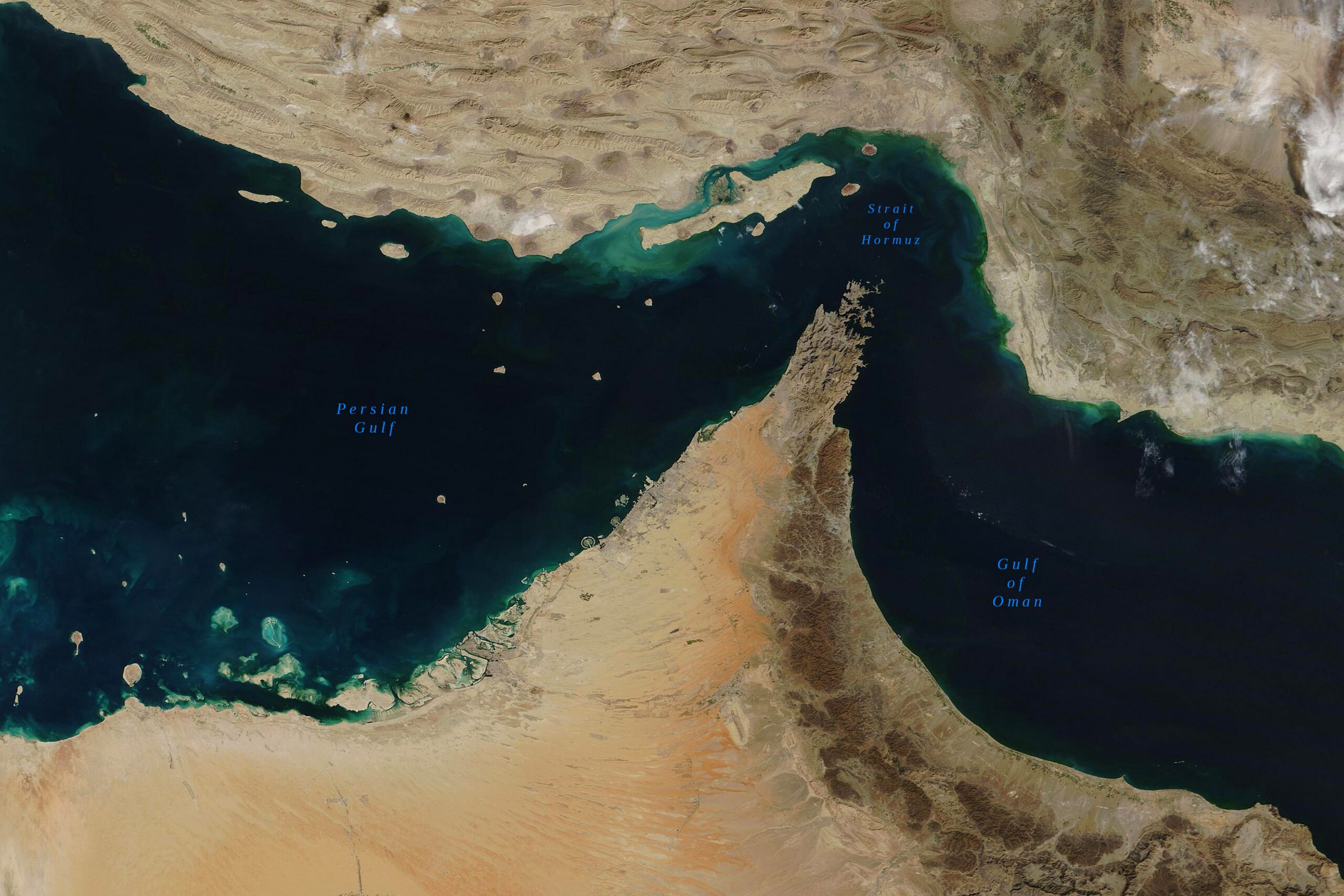
The Strait of Hormuz handles roughly one-third of global seaborne oil trade. This market asks whether daily transit traffic—measured as a seven-day moving average of arriving ships across all cargo types—will recover to 60 or more vessels per day by mid-September 2026. The IMF's Portwatch dataset provides the official arbiter. At 9% implied probability across most books, traders are pricing in sustained disruption or geopolitical friction lasting at least eighteen months from market creation.
Historical precedent matters here. The strait experienced significant traffic declines during the 2022 Iran nuclear negotiations and again following the October 2023 escalation in the Red Sea, when Houthi attacks on commercial shipping forced rerouting around Africa. Pre-disruption baseline traffic typically ranged between 70 and 90 daily transits. Recovery to 60 represents a partial normalisation rather than full restoration. Previous disruptions have taken 6–12 months to resolve once triggering incidents stabilised, though geopolitical risk premiums often persist longer than physical constraints. Kalshi's binary structure (versus decimal odds on Betfair or Smarkets) makes the 9% figure directly comparable across platforms, though KYC requirements differ: Kalshi requires US residency, whilst Smarkets and Betfair serve UK traders without equivalent restrictions.
Traders should monitor Iranian nuclear negotiations, US sanctions policy announcements, and Houthi operational capacity reports. Recent shipping intelligence from Lloyd's List and S&P Global Platts typically signals route changes weeks ahead of Portwatch data publication. The settlement window's length—nearly two years—creates substantial carry risk; implied volatility pricing reflects genuine uncertainty over whether regional tensions escalate or de-escalate materially.
Methodology
This page compares Strait of Hormuz traffic returns to normal by September 15? specifically across Polymarket, Kalshi, Betfair Exchange and Smarkets. The live probability is the Polymarket mid; the comparison columns summarise each venue's fee structure, KYC, settlement currency and payment rails. Every CTA routes to Kalshi Alternative UK, which mirrors the Polymarket order book at 0% fees.
Resolution & payout
Polymarket settles via UMA Optimistic Oracle on Polygon. A proposer posts the outcome with a bond, the two-hour window runs, then the smart contract pays USDC.
Kalshi settles USD through the CFTC-regulated clearinghouse — the cleanest variant, with heavier KYC. Betfair Exchange settles in account currency (GBP/EUR), net of 2-5% commission. Smarkets follows the same model as Betfair with a lower default 2% commission.
UK Frequently Asked Questions
- Polymarket vs Kalshi — which is better?
- Depends on your location. Kalshi is CFTC-regulated, US-only with full KYC. Polymarket is global, on-chain, no KYC up to $1,500. Polymarket has ~10x higher liquidity but higher regulatory risk.
- What does Polymarket cost vs Kalshi?
- Polymarket: 0% fees, only Polygon network costs (~$0.01/trade). Kalshi: up to 7% per trade plus spread. For high-frequency traders, Polymarket is dramatically cheaper.
- What about Smarkets as an alternative?
- Smarkets is a UK betting exchange with a lower default commission (2%) than Betfair. Liquidity on political markets is below Polymarket, comparable to Kalshi. Geo-blocked in many jurisdictions.
- Polymarket vs Betfair Exchange: which is better for UK prediction trading?
- Betfair Exchange offers UKGC regulation, GBP settlement, and potentially tax-free winnings — but focuses on sports and politics only. Polymarket has deeper liquidity, 0% platform fee, global event coverage, and crypto/geopolitical markets Betfair doesn't offer. For UK traders: Betfair for regulated GBP sports markets; Polymarket for broader, global prediction events.
- Is Kalshi available in the UK?
- Kalshi is a US CFTC-regulated prediction exchange. UK residents can create accounts but must use USD and US payment methods. Kalshi's product range overlaps with Polymarket but with lower liquidity on most contracts. For UK traders, Polymarket typically offers better prices due to higher global volume.
%22%2F%3E%3Cpath%20d%3D%22M%206%2066%20A%2026%2026%200%200%201%2058%2066%22%20fill%3D%22%23E6B98D%22%20opacity%3D%220.9%22%2F%3E%3Ccircle%20cx%3D%2232%22%20cy%3D%2226%22%20r%3D%2222%22%20fill%3D%22%23F5CBA7%22%2F%3E%3Cpolygon%20points%3D%2216%2C18%2020%2C4%2024%2C18%22%20fill%3D%22%2314b8a6%22%2F%3E%3Cpolygon%20points%3D%2224%2C18%2028%2C3%2032%2C18%22%20fill%3D%22%2314b8a6%22%2F%3E%3Cpolygon%20points%3D%2232%2C18%2036%2C3%2040%2C18%22%20fill%3D%22%2314b8a6%22%2F%3E%3Cpolygon%20points%3D%2240%2C18%2044%2C4%2048%2C18%22%20fill%3D%22%2314b8a6%22%2F%3E%3C%2Fsvg%3E) and
and%22%2F%3E%3Cpath%20d%3D%22M%206%2066%20A%2026%2026%200%200%201%2058%2066%22%20fill%3D%22%23E6B98D%22%20opacity%3D%220.9%22%2F%3E%3Ccircle%20cx%3D%2232%22%20cy%3D%2226%22%20r%3D%2222%22%20fill%3D%22%23F5CBA7%22%2F%3E%3Crect%20x%3D%2214%22%20y%3D%224%22%20width%3D%2236%22%20height%3D%228%22%20rx%3D%224%22%20fill%3D%22%2314b8a6%22%2F%3E%3C%2Fsvg%3E)
Trade Strait of Hormuz traffic returns to normal by Septem… on Kalshi Alternative UK
Live order book, 0% fees, USDC settlement in seconds.
Open live market →