Platform comparison
| Platform | YES odds | NO odds | Fee | KYC | Settlement | |
|---|---|---|---|---|---|---|
Polymarket (via Kalshi Alternative UK) Pick polygram.ink (preferred broker) |
0% | 100% | 0% (USDC on-chain) | No-KYC up to $1,500 | USDC, auto via UMA oracle | Trade this market → |
Polymarket (direct) polymarket.com |
0% | 100% | 0% | Geo-blocked in US/UK/EU | USDC, on-chain | Trade this market → |
Kalshi kalshi.com |
— | — | Up to 7% per trade | US-only, KYC required | USD | Trade this market → |
Betfair Exchange betfair.com |
— | — | 2-5% commission | Full KYC from first trade | GBP / EUR | Trade this market → |
Manifold Markets manifold.markets |
— | — | Play-money (mana) | None — play-money | Mana (no cash-out) | Trade this market → |
Outcome probabilities
Current market-implied probability for each outcome, from the live order book.
| Outcome | Probability |
|---|---|
| August 31 | 0% |
| August 15 | 0% |
Market context
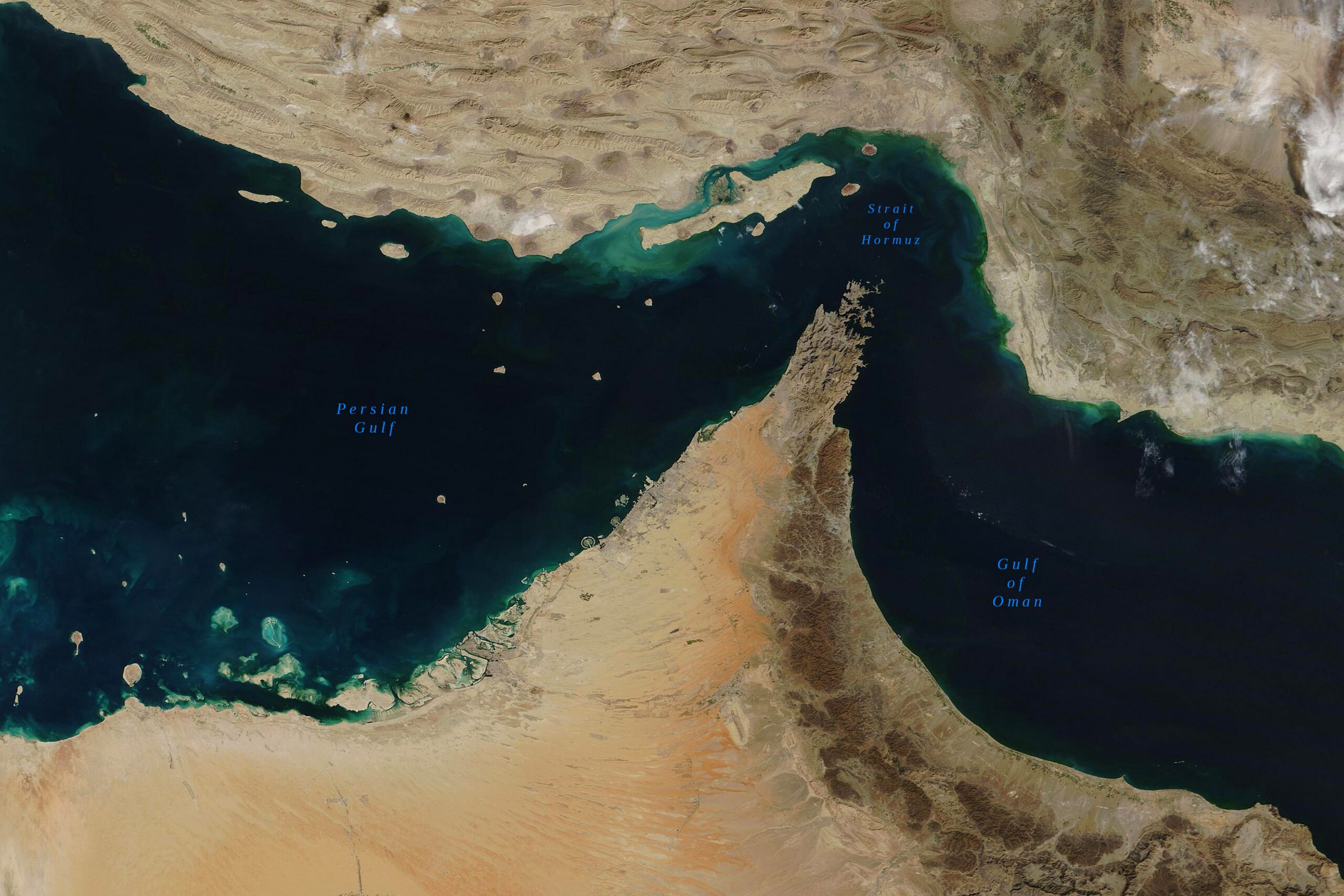
The Strait of Hormuz is still operating far below normal, so this market is effectively a bet on a sustained and measurable shipping recovery rather than a single headline about reopening. Reuters reported only two to seven transits on several July days, with traffic described as a near standstill or the lowest in two months, while the Strait-of-Hormuz monitor says the waterway remained closed with near-zero transits against a normal of about 60 a day.[8][10][1]
That framing matters because the market’s threshold is not “open” but a 7-day moving average of at least 60 arrivals, which is closer to a full pre-crisis restoration than a partial rebound. Reuters and other shipping data providers have described the route as repeatedly reopening and then deteriorating again, while June reporting suggested traffic had recovered only to about half peacetime levels before later setbacks.[4][6][12] On current crowd-implied odds, the 6% YES price on Polymarket implies a very low chance of a weekly average hitting that benchmark before 31 August, and the comparison with Kalshi, Betfair and Smarkets is mainly about how that view is expressed: Polymarket quotes direct implied probability, whereas exchange-style books typically show decimal odds and can differ materially once fees, spreads and access rules are applied.
The main catalysts are any fresh U.S.-Iran maritime or sanctions announcements, security incidents in or near the Gulf, and operational updates from ship-tracking services that could affect the 7-day average. Reuters has linked previous swings in Hormuz traffic to renewed strikes, retaliation risk and changes in blockade or passage terms, while a preliminary reopening deal in June was paired with technical and military caveats, including mine-clearance issues and a 60-day fee waiver.[11][9][12] For traders comparing platforms, KYC reach and jurisdiction matter as much as price: predictive markets available to UK users may differ from offshore or geoblocked venues, and some books will be more accessible but less transparent on fees, while others may offer tighter pricing but stricter verification.
Methodology
This page compares Strait of Hormuz traffic returns to normal by 2026? specifically across Polymarket, Kalshi, Betfair Exchange and Smarkets. The live probability is the Polymarket mid; the comparison columns summarise each venue's fee structure, KYC, settlement currency and payment rails. Every CTA routes to Kalshi Alternative UK, which mirrors the Polymarket order book at 0% fees.
Resolution & payout
Polymarket settles via UMA Optimistic Oracle on Polygon. A proposer posts the outcome with a bond, the two-hour window runs, then the smart contract pays USDC.
Kalshi settles USD through the CFTC-regulated clearinghouse — the cleanest variant, with heavier KYC. Betfair Exchange settles in account currency (GBP/EUR), net of 2-5% commission. Smarkets follows the same model as Betfair with a lower default 2% commission.
UK Frequently Asked Questions
- Polymarket vs Kalshi — which is better?
- Depends on your location. Kalshi is CFTC-regulated, US-only with full KYC. Polymarket is global, on-chain, no KYC up to $1,500. Polymarket has ~10x higher liquidity but higher regulatory risk.
- What does Polymarket cost vs Kalshi?
- Polymarket: 0% fees, only Polygon network costs (~$0.01/trade). Kalshi: up to 7% per trade plus spread. For high-frequency traders, Polymarket is dramatically cheaper.
- Which platform has the deepest liquidity?
- Polymarket — by a wide margin. Top markets reach $50-500M volume, Kalshi ~$200M cumulative, Betfair similar. Deeper liquidity means your trade moves the quote less.
- Polymarket vs Betfair Exchange: which is better for UK prediction trading?
- Betfair Exchange offers UKGC regulation, GBP settlement, and potentially tax-free winnings — but focuses on sports and politics only. Polymarket has deeper liquidity, 0% platform fee, global event coverage, and crypto/geopolitical markets Betfair doesn't offer. For UK traders: Betfair for regulated GBP sports markets; Polymarket for broader, global prediction events.
- Is Kalshi available in the UK?
- Kalshi is a US CFTC-regulated prediction exchange. UK residents can create accounts but must use USD and US payment methods. Kalshi's product range overlaps with Polymarket but with lower liquidity on most contracts. For UK traders, Polymarket typically offers better prices due to higher global volume.
%22%2F%3E%3Cpath%20d%3D%22M%206%2066%20A%2026%2026%200%200%201%2058%2066%22%20fill%3D%22%23E6B98D%22%20opacity%3D%220.9%22%2F%3E%3Ccircle%20cx%3D%2232%22%20cy%3D%2226%22%20r%3D%2222%22%20fill%3D%22%23F5CBA7%22%2F%3E%3Cpolygon%20points%3D%2216%2C18%2020%2C4%2024%2C18%22%20fill%3D%22%2314b8a6%22%2F%3E%3Cpolygon%20points%3D%2224%2C18%2028%2C3%2032%2C18%22%20fill%3D%22%2314b8a6%22%2F%3E%3Cpolygon%20points%3D%2232%2C18%2036%2C3%2040%2C18%22%20fill%3D%22%2314b8a6%22%2F%3E%3Cpolygon%20points%3D%2240%2C18%2044%2C4%2048%2C18%22%20fill%3D%22%2314b8a6%22%2F%3E%3C%2Fsvg%3E) and
and%22%2F%3E%3Cpath%20d%3D%22M%206%2066%20A%2026%2026%200%200%201%2058%2066%22%20fill%3D%22%23E6B98D%22%20opacity%3D%220.9%22%2F%3E%3Ccircle%20cx%3D%2232%22%20cy%3D%2226%22%20r%3D%2222%22%20fill%3D%22%23F5CBA7%22%2F%3E%3Crect%20x%3D%2214%22%20y%3D%224%22%20width%3D%2236%22%20height%3D%228%22%20rx%3D%224%22%20fill%3D%22%2314b8a6%22%2F%3E%3C%2Fsvg%3E)
Trade Strait of Hormuz traffic returns to normal by 2026? on Kalshi Alternative UK
Live order book, 0% fees, USDC settlement in seconds.
Open live market →