Platform comparison
| Platform | YES odds | NO odds | Fee | KYC | Settlement | |
|---|---|---|---|---|---|---|
Polymarket (via Kalshi Alternative UK) Pick polygram.ink (preferred broker) |
6% | 94% | 0% (USDC on-chain) | No-KYC up to $1,500 | USDC, auto via UMA oracle | Trade this market → |
Polymarket (direct) polymarket.com |
6% | 94% | 0% | Geo-blocked in US/UK/EU | USDC, on-chain | Trade this market → |
Kalshi kalshi.com |
— | — | Up to 7% per trade | US-only, KYC required | USD | Trade this market → |
Betfair Exchange betfair.com |
— | — | 2-5% commission | Full KYC from first trade | GBP / EUR | Trade this market → |
Manifold Markets manifold.markets |
— | — | Play-money (mana) | None — play-money | Mana (no cash-out) | Trade this market → |
Outcome probabilities
Current market-implied probability for each outcome, from the live order book.
| Outcome | Probability |
|---|---|
| December 31 | 6% |
| June 30 | 0% |
| January 31 | 0% |
| March 31 | 0% |
| February 28 | 0% |
| April 30 | 0% |
| May 31 | 0% |
Market context
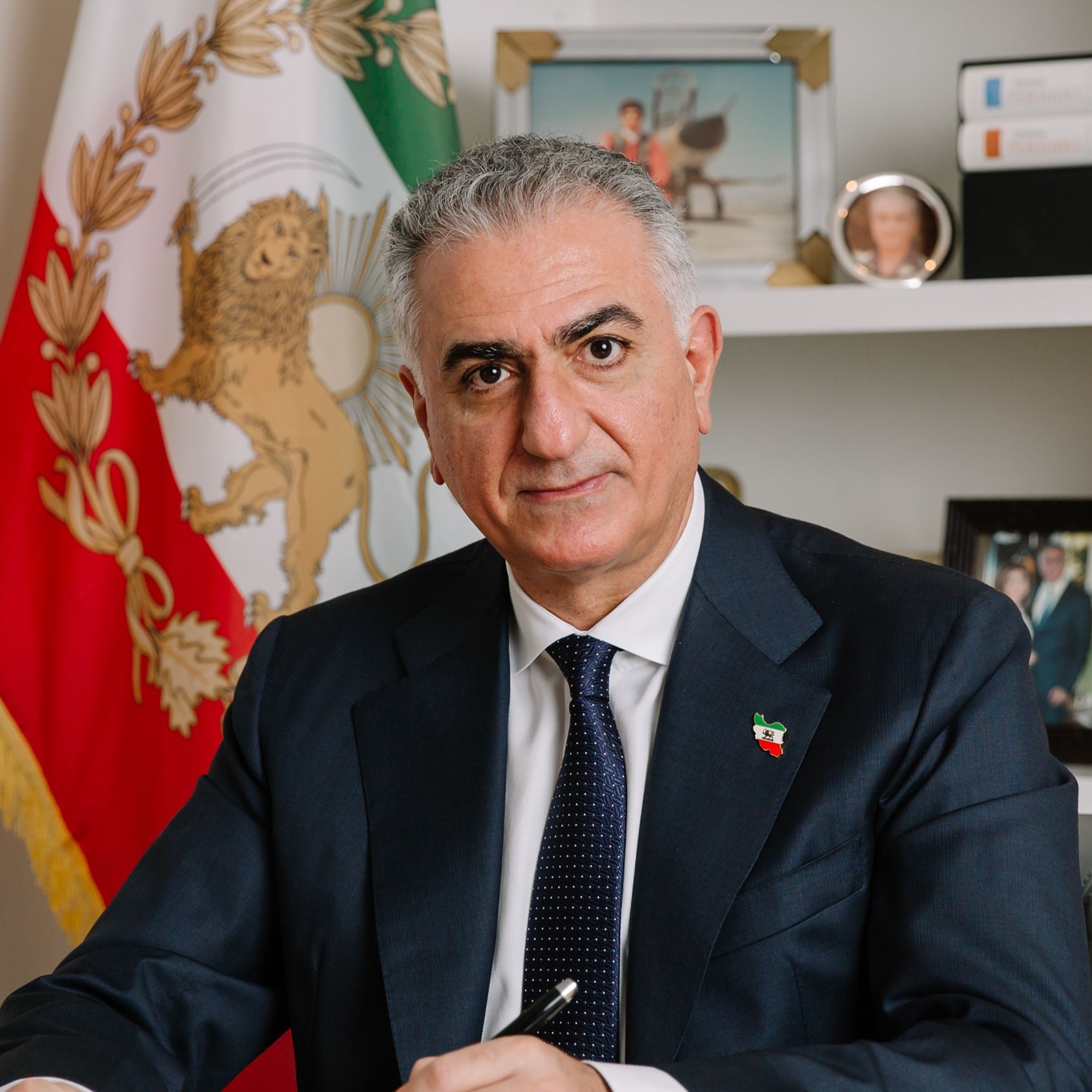
Reza Pahlavi would have to physically enter Iran before 30 June 2026 for this market to resolve YES, and the current crowd-implied 0% reflects how remote that still looks. He has repeatedly said he wants to return “as soon as possible” or “at the first feasible opportunity”, but those statements are conditional on regime collapse or a clearly safe opening, not on any scheduled trip[2][4][9][12]. In practical terms, Polymarket-style crowd probabilities can sit at zero while books such as Betfair or Smarkets still price a tiny decimal price for an outside chance; Kalshi’s event-contract format usually makes the same uncertainty read more directly as probability rather than odds, though access and fee treatment differ by venue.
The closest historical comparator is that Pahlavi has spent decades in exile and has not entered Iran since the 1979 انقلاب, so a positive settlement would require a genuine break in current constraints rather than a symbolic visit[9][18]. Recent coverage shows he is publicly positioning himself as a transitional figure amid anti-government unrest, with Reuters and other outlets reporting in late July 2026 that he was discussing a referendum and a post-regime pathway, which keeps the story live but does not by itself create a credible travel window[3]. That matters for traders because the market is not about rhetoric; it is about an actual border crossing into Iranian territory.
Catalysts to watch are a sudden regime change, a declared safe corridor, or any verified itinerary showing entry into Iran; absent that, the main event risk is still political rather than logistical. Reuters and regional reporting in early 2026 linked his return talk to unrest and transition planning, while July coverage suggested he remained focused on the post-collapse framework rather than a near-term trip[3][9][12]. On platform comparison, the important differences are that Polymarket and Kalshi show probability-like pricing, while Betfair and Smarkets quote decimal odds and may move in smaller increments; fees, market liquidity, and KYC reach can also affect whether a near-zero outcome is actually tradable for a UK participant.
Methodology
We read Will Reza Pahlavi enter Iran by 2026? from four platform perspectives: Polymarket (on-chain CLOB), Kalshi (CFTC-regulated exchange), Betfair Exchange (sports book exchange), Smarkets (peer-to-peer betting exchange). Polymarket's live mid is the canonical probability; the side-by-side columns benchmark fees, KYC, settlement currency and deposit rails so you can choose the venue that fits your jurisdiction and trade size.
Resolution & payout
Settlement is the biggest difference between the four platforms: Polymarket on-chain in USDC (instant), Kalshi USD via CFTC (T+1), Betfair and Smarkets in local currency via bank withdrawal (T+1 to T+3). On-chain settlement clears in minutes — the fastest payout path of the four.
UK Frequently Asked Questions
- Polymarket vs Kalshi — which is better?
- Depends on your location. Kalshi is CFTC-regulated, US-only with full KYC. Polymarket is global, on-chain, no KYC up to $1,500. Polymarket has ~10x higher liquidity but higher regulatory risk.
- What does Polymarket cost vs Kalshi?
- Polymarket: 0% fees, only Polygon network costs (~$0.01/trade). Kalshi: up to 7% per trade plus spread. For high-frequency traders, Polymarket is dramatically cheaper.
- Is Betfair a Polymarket alternative?
- Only partially. Betfair Exchange is UK-focused with a sports-betting emphasis; they have politics markets but with thinner liquidity than Polymarket. Settlement in GBP/EUR, 2-5% commission on winnings.
- Polymarket vs Betfair Exchange: which is better for UK prediction trading?
- Betfair Exchange offers UKGC regulation, GBP settlement, and potentially tax-free winnings — but focuses on sports and politics only. Polymarket has deeper liquidity, 0% platform fee, global event coverage, and crypto/geopolitical markets Betfair doesn't offer. For UK traders: Betfair for regulated GBP sports markets; Polymarket for broader, global prediction events.
- Is Kalshi available in the UK?
- Kalshi is a US CFTC-regulated prediction exchange. UK residents can create accounts but must use USD and US payment methods. Kalshi's product range overlaps with Polymarket but with lower liquidity on most contracts. For UK traders, Polymarket typically offers better prices due to higher global volume.
%22%2F%3E%3Cpath%20d%3D%22M%206%2066%20A%2026%2026%200%200%201%2058%2066%22%20fill%3D%22%23E6B98D%22%20opacity%3D%220.9%22%2F%3E%3Ccircle%20cx%3D%2232%22%20cy%3D%2226%22%20r%3D%2222%22%20fill%3D%22%23F5CBA7%22%2F%3E%3Cpolygon%20points%3D%2216%2C18%2020%2C4%2024%2C18%22%20fill%3D%22%2314b8a6%22%2F%3E%3Cpolygon%20points%3D%2224%2C18%2028%2C3%2032%2C18%22%20fill%3D%22%2314b8a6%22%2F%3E%3Cpolygon%20points%3D%2232%2C18%2036%2C3%2040%2C18%22%20fill%3D%22%2314b8a6%22%2F%3E%3Cpolygon%20points%3D%2240%2C18%2044%2C4%2048%2C18%22%20fill%3D%22%2314b8a6%22%2F%3E%3C%2Fsvg%3E) and
and%22%2F%3E%3Cpath%20d%3D%22M%206%2066%20A%2026%2026%200%200%201%2058%2066%22%20fill%3D%22%23E6B98D%22%20opacity%3D%220.9%22%2F%3E%3Ccircle%20cx%3D%2232%22%20cy%3D%2226%22%20r%3D%2222%22%20fill%3D%22%23F5CBA7%22%2F%3E%3Crect%20x%3D%2214%22%20y%3D%224%22%20width%3D%2236%22%20height%3D%228%22%20rx%3D%224%22%20fill%3D%22%2314b8a6%22%2F%3E%3C%2Fsvg%3E)
Trade Will Reza Pahlavi enter Iran by 2026? on Kalshi Alternative UK
Live order book, 0% fees, USDC settlement in seconds.
Open live market →